
What Does 1G+1G Mean? 7 Essential Hardware Facts

What Does 1G+1G Mean in Dual-Chamber Vape Hardware?
When reviewing empty vape hardware, you may come across specifications such as 1G+1G, dual chamber, or two-chamber design. These labels describe different aspects of a device, but they do not always explain how the hardware is constructed or what its actual specifications are.
What does 1G+1G mean? In dual-chamber vape hardware, the term commonly refers to two separate chambers, each described as having a nominal capacity associated with 1 gram of material.
However, the label alone does not tell you everything about the device.
This guide explains seven important facts about 1G+1G hardware, including chamber capacity, physical design, specification differences, and the information buyers should verify.
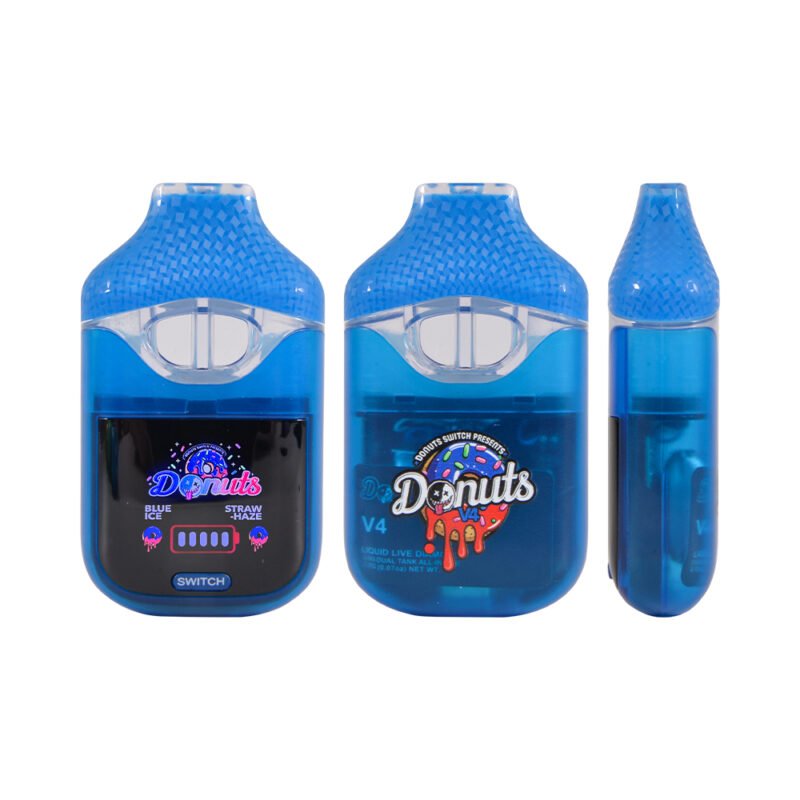
1. What Does 1G+1G Mean on a Hardware Specification?
The term 1G+1G is commonly used to describe a dual-chamber configuration with two separately designated chambers.
The first “1G” refers to one chamber, while the second “1G” refers to the other.
In product descriptions, this is often presented as a nominal 1-gram-per-chamber configuration.
It is important to understand that the label describes a capacity designation, not the actual contents of a product being sold.
For example, an empty hardware device labeled 1G+1G does not necessarily contain any material. The chambers may be supplied completely empty.
The exact meaning of the capacity rating should be confirmed with the manufacturer or supplier, particularly when comparing products from different sources.
2. Two Chambers Do Not Automatically Mean Two Independent Systems
A dual-chamber design generally includes two distinct storage areas within one hardware assembly.
However, having two chambers does not automatically establish how the rest of the device operates.
Depending on the specific product design, different models may use different internal components, electrical arrangements, or control mechanisms.
For that reason, buyers should avoid assuming that every 1G+1G device offers identical functions.
The chamber layout and the operating system are separate aspects of the hardware.
A product specification should clearly identify the relevant components and features rather than relying only on the phrase “dual chamber.”
3. The 1G+1G Label Does Not Confirm Exact Physical Volume
One common misunderstanding is that a gram-based capacity label provides a complete measurement of chamber size.
A gram is a unit of mass, while chamber volume is measured using units such as milliliters.
The relationship between mass and volume depends on the properties and density of the material involved.
As a result, a nominal 1G chamber designation should not be treated as a universal physical-volume specification.
Two devices described as 1G+1G may have different chamber dimensions or internal geometries.
When exact measurements matter, request the manufacturer’s documented specifications rather than calculating chamber volume from the label alone.
Useful measurements may include:
- Chamber dimensions.
- Nominal capacity designation.
- Overall device dimensions.
- Internal construction details.
- Applicable material-compatibility information.
This distinction is particularly important when reviewing technical documents from multiple suppliers.
4. Chamber Design and Overall Device Design Are Different Things
The term “dual chamber” describes one feature of the hardware, not its entire design.
A device may have two chambers while still differing significantly from another product in its external shape, materials, component arrangement, or dimensions.
For example, two products can share the same nominal chamber-capacity designation without using the same housing design.
A complete product evaluation should consider both the internal chamber arrangement and the external hardware structure.
Important questions include whether the product dimensions are documented, whether the chambers are clearly identified, and whether the supplied specifications match the physical sample.
This is why a capacity label should be treated as a starting point for understanding a device rather than a complete product description.
5. What Does 1G+1G Mean for Empty Hardware?
For empty vape hardware, the 1G+1G designation generally describes the intended chamber configuration rather than any prefilled contents.
This distinction matters because empty hardware and prefilled products are not the same type of merchandise.
An empty device may be supplied without oil, nicotine, or other substances, depending on the product being offered.
The label also does not establish which materials are compatible with a particular device.
Compatibility must be determined from verified manufacturer documentation and the applicable product requirements.
Likewise, the capacity designation does not establish product quality, safety, durability, or regulatory compliance.
These characteristics require separate evidence and should not be inferred from the 1G+1G description.
6. Which Specifications Should Buyers Check?
When reviewing 1G+1G dual-chamber hardware, the most useful approach is to separate confirmed specifications from general marketing descriptions.
A technical specification sheet should help buyers identify the actual configuration of the device.
Before making a purchasing decision, consider checking the following information:
Chamber Configuration
Confirm the number of chambers, their physical arrangement, and the manufacturer’s stated capacity for each chamber.
Hardware Dimensions
Review overall dimensions and, where available, chamber measurements. Product photographs alone may not provide an accurate sense of scale.
Materials and Components
Ask for available documentation covering relevant housing materials, internal components, and other technical characteristics.
Model Identification
Confirm the exact model name or revision. Products with similar appearances or capacity labels may have different specifications.
Sample Consistency
Where physical samples are available, compare the sample against the specification sheet and approved product information.
Documentation and Compliance
Review the documentation relevant to the intended market. Requirements may differ depending on where the hardware will be sold, shipped, or used.
A clearly documented product makes it easier to identify discrepancies and ask specific technical questions.
7. Common Misunderstandings About 1G+1G Hardware
Several assumptions can lead to confusion when reading dual-chamber product descriptions.
Misunderstanding: 1G+1G always means the product contains 2 grams of material.
Not necessarily. An empty device may contain no material at all. The designation commonly refers to nominal chamber capacity.
Misunderstanding: All 1G+1G devices have the same dimensions.
No. The same capacity designation can appear on products with different shapes, chamber geometry, and external dimensions.
Misunderstanding: Dual chamber always means the same operating features.
No. Chamber configuration does not, by itself, confirm switching functions, electrical design, or other operating characteristics.
Misunderstanding: A capacity label proves compatibility or compliance.
No. Material compatibility and regulatory requirements must be evaluated separately using appropriate documentation.
Understanding these distinctions helps readers interpret product descriptions more accurately.
A Simple Checklist for Understanding 1G+1G Hardware
Before relying on a 1G+1G product description, confirm:
- Does the product actually have two separate chambers?
- Is the stated capacity nominal or based on documented measurements?
- Are the chamber and overall device dimensions available?
- Are the model and hardware specifications clearly identified?
- Does the product description distinguish empty hardware from prefilled products?
- Are any claimed operating features supported by the manufacturer’s documentation?
- Are the relevant shipping and regulatory requirements understood?
These questions provide a practical starting point for reviewing unfamiliar hardware specifications.
Final Thoughts
So, what does 1G+1G mean in dual-chamber vape hardware?
It commonly describes a two-chamber configuration in which each chamber is associated with a nominal 1-gram capacity designation.
The key point is that this label explains only part of the hardware specification.
It does not independently confirm the exact chamber volume, operating features, material compatibility, product quality, or regulatory status.
For a more complete understanding, review the documented specifications and compare them with the actual product.
At DonutsVape, our current hardware range includes 1G+1G dual-chamber designs. You can explore the available models on our Products page or visit our Samples page to learn about sample inquiries.
If you have a question about a specific hardware specification, please use our Contact Us page to reach our team.